Quiet and tender
Soft presence, gentle edges.
For calm rooms, reflective keepsakes, and pets whose expression deserves space rather than spectacle.
The style room
Compare mood, color, texture, and personality before you create. Every direction works from one photo and keeps the complicated art instructions behind the scenes.
The complete collection
Each style has its own visual logic and a dedicated page where that direction is selected first. You can still change your mind inside the generator.
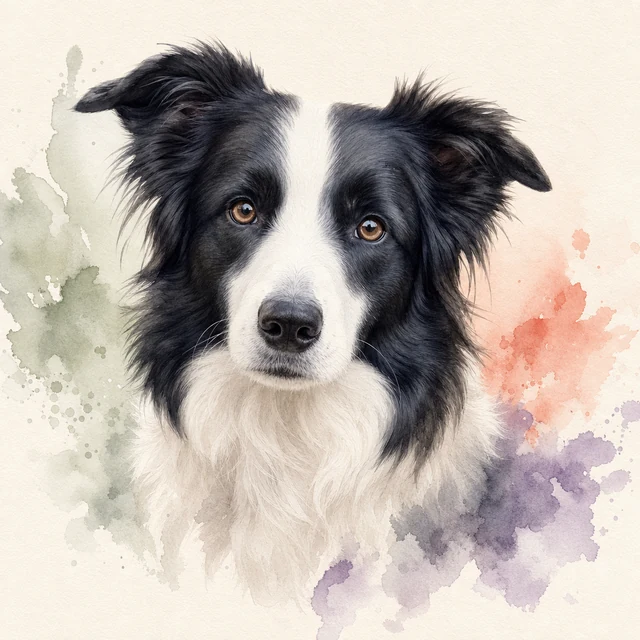
Style 1
Watercolor balances precise eyes and facial markings with looser pigment around the chest and background. That contrast keeps the portrait recognizable while letting it feel handmade and light.
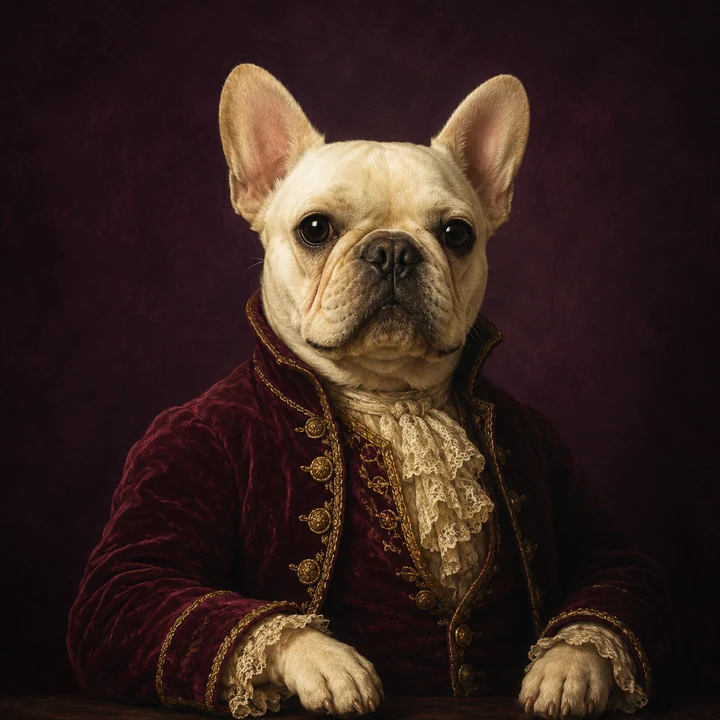
Style 2
Royal uses costume, posture, and a dark museum-like backdrop as theatrical framing. The pet remains the subject; clothing supports the story instead of replacing facial identity.
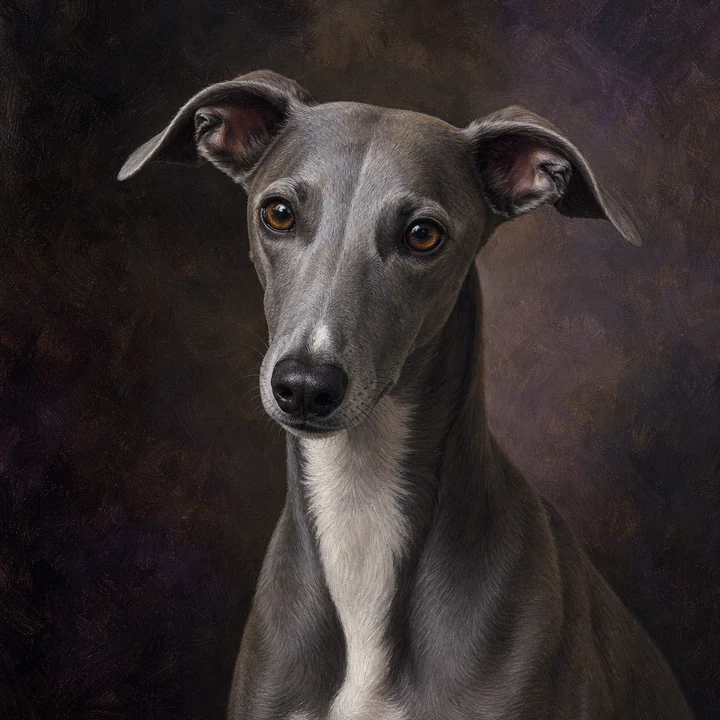
Style 3
Oil Painting focuses on the pet alone: dimensional fur, a restrained studio background, and gradual light that models the face. It feels formal without becoming theatrical.
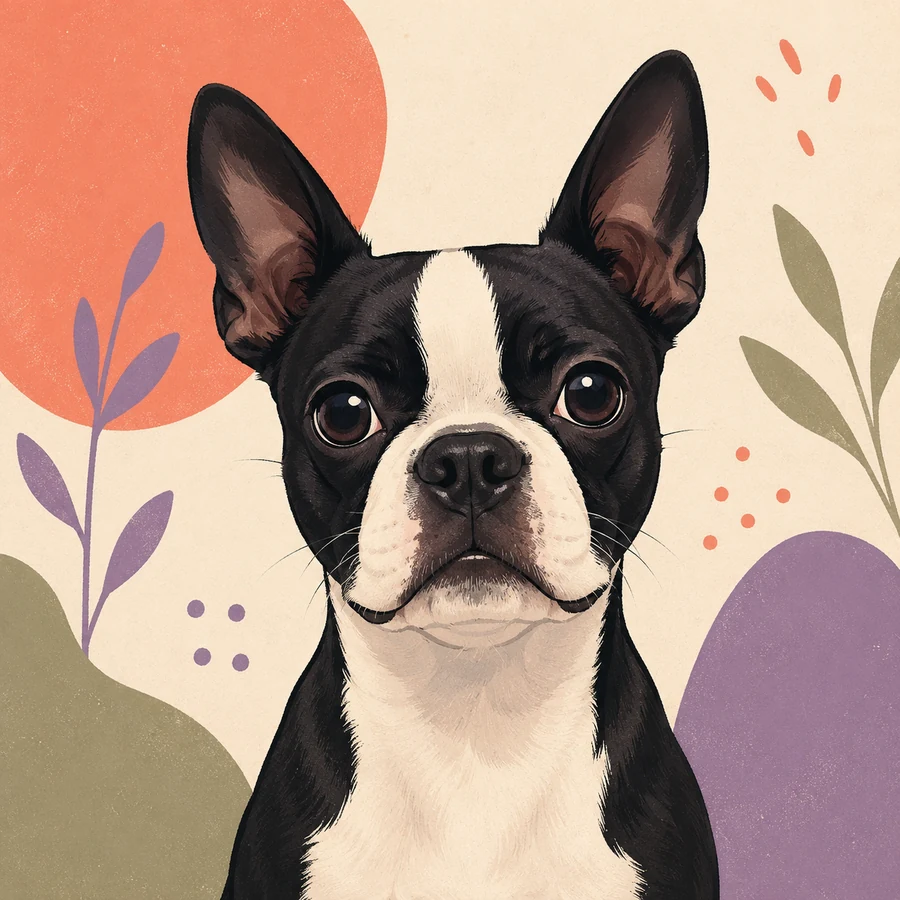
Style 4
Cartoon simplifies texture into readable shapes while keeping the face pattern, ears, muzzle, and posture specific. It is playful, but it is not a generic mascot template.
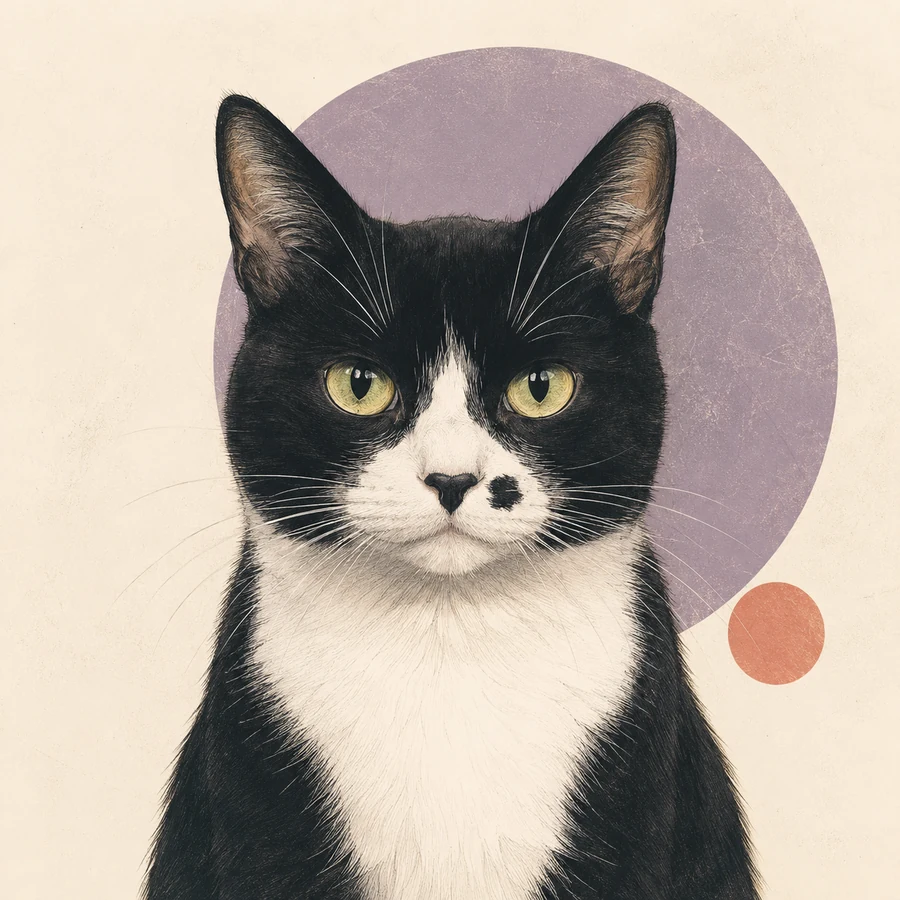
Style 5
Minimalist is not an empty outline. It edits the composition down to the identity-bearing details: face shape, ear position, coat blocks, gaze, and one quiet background form.
Choose by feeling
You do not need to know art terminology. Pick the mood that sounds most like your pet, your room, or the person receiving the image.
Quiet and tender
For calm rooms, reflective keepsakes, and pets whose expression deserves space rather than spectacle.
Rich and theatrical
For a more dramatic reveal, deeper color, and the feeling of a portrait that has always belonged on a wall.
Bright and expressive
For energetic pets, cheerful gifts, and a modern illustrated result with clear shapes and confident color.
At a glance
Use this quick view to narrow the choice, then open a style page for examples, photo guidance, and a generator with that direction already selected.
WatercolorTransparent, layered colorGentle expressions and reflective keepsakes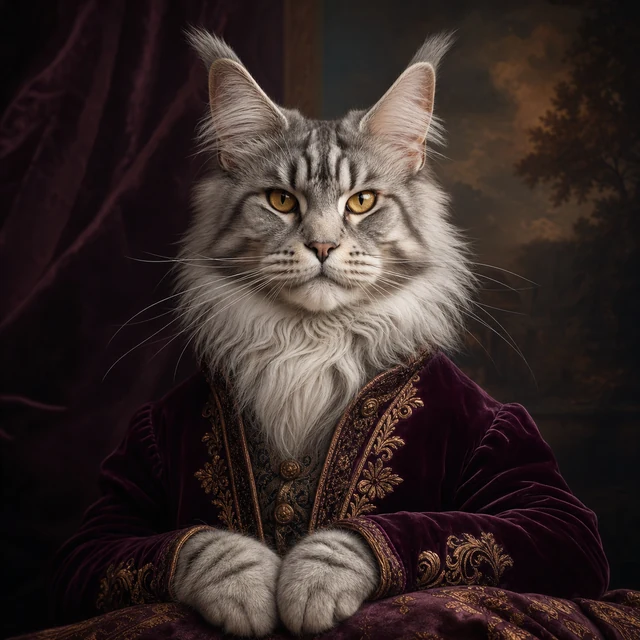 RoyalDramatic portrait lightingConfident, serious, or naturally majestic expressions
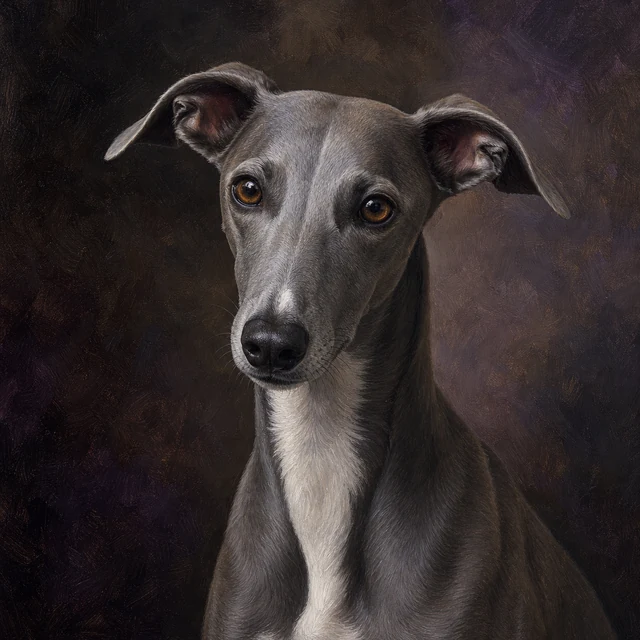 Oil PaintingVisible canvas characterDignified portraits with a classic gallery mood
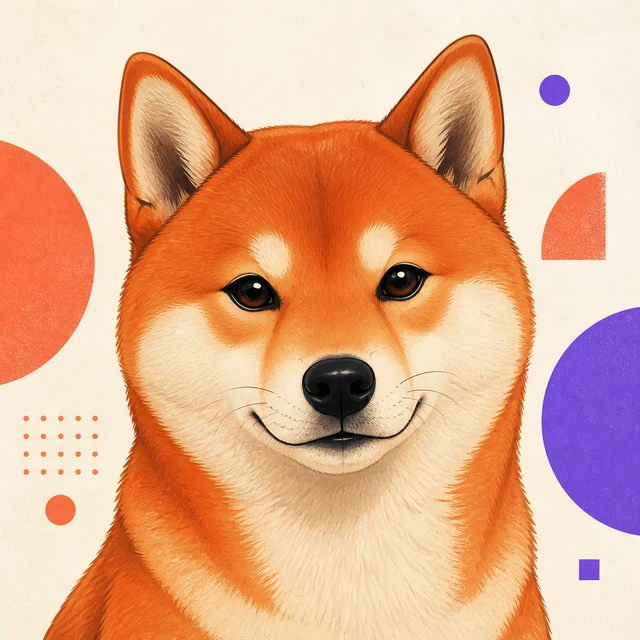 CartoonOriginal editorial lineworkPlayful expressions and high-energy personalities
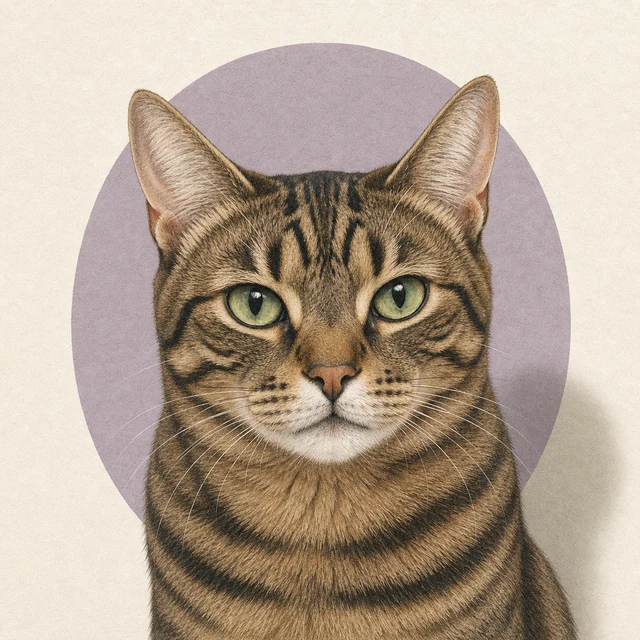 MinimalistEdited, not genericModern rooms and visually quiet digital artwork
Make the source photo count
Clear eyes, visible markings, and an unobstructed face give every style better information to work with. Our practical guide shows what to choose and what to avoid.
Style questions
There is no single correct answer. These questions help you choose based on mood, source photo, and the details you care about most.
Watercolor is an approachable first choice because its open background and soft edges suit many dogs and cats. If your pet has bold graphic markings, Cartoon or Minimalist may make those patterns especially clear.
Yes. A style page highlights its featured direction first, but all five options remain available in the generator. You can create another direction without writing a prompt.
Yes. Free and Ultra are available across the five portrait styles. The public experience keeps the underlying provider and model names hidden so you can choose by result and detail level.
No. The current product creates a downloadable digital pet portrait. The style pages do not promise a framed print, canvas, shipping, or physical fulfillment.
Start with one clear photo. The generator shows all five curated directions, so you can make the choice with your own pet in mind.
Create a pet portrait