AI Paint My Pet

Old Pet Photo Restoration

Old pet photo restoration that respects the memory.

Repair common fading, scratches, and softness while keeping the familiar composition at the center of the result.

Start with a photoNo prompt to write
RESTORE, THEN REMEMBER
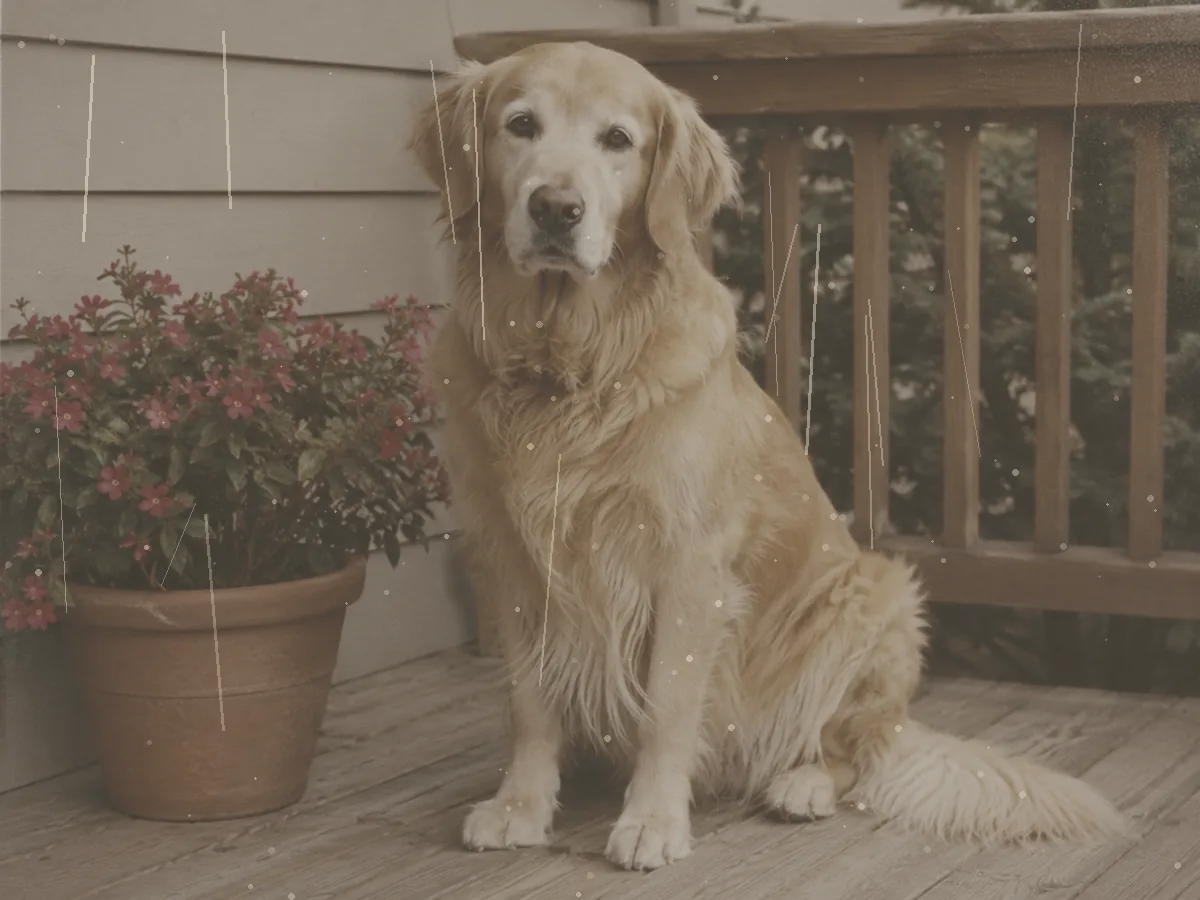
A faded and scratched early-1990s color print of a golden retriever on a porch.
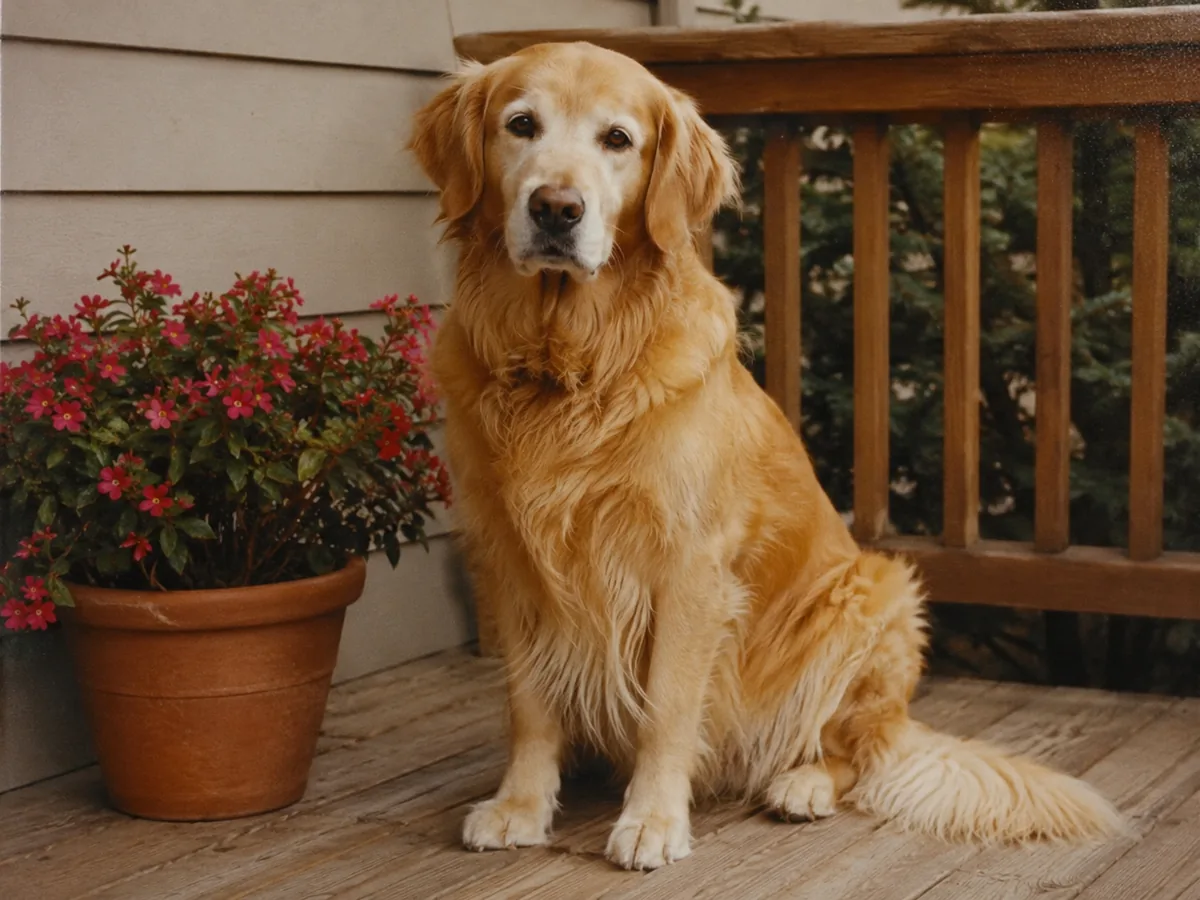
The restored golden retriever photo with damage reduced and period-appropriate color retained.
BeforeAfter
Drag to compare the source and result

A focused editing desk

One photo. One clear decision.

Upload a clear pet photo, choose the only setting this task needs, and review the returned image before downloading it.

Repair with restraint

Restore the memory without turning it into a different photograph.

Old pet photos carry their era in grain, tone, and softness. Check that damage is reduced while the original character remains.

Curated synthetic demonstrations — not user submissions.

A faded and scratched early-1990s color print of a golden retriever on a porch.
The restored golden retriever photo with damage reduced and period-appropriate color retained.
BeforeAfter
Drag to compare the source and result
01Faded color print

Recover a face from years of fade and wear.

Color restoration should clarify the eyes and muzzle while keeping the gentle film response of an early family snapshot.

Look closely

  • Scratches and dust recede without erasing natural coat texture.
  • Warm porch light is balanced rather than pushed into modern HDR.

Synthetic demo for visual guidance. Results vary with the source photo.
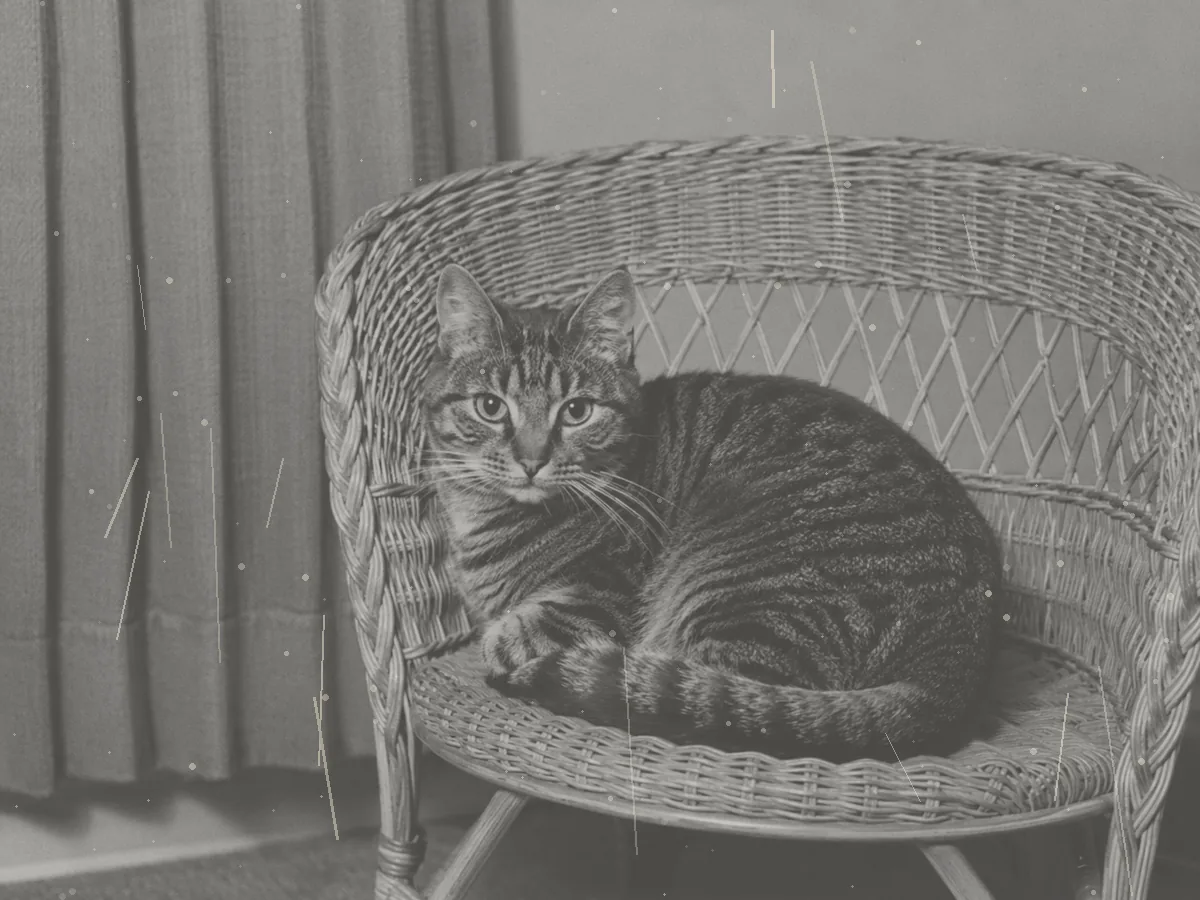
A worn late-1970s black-and-white print of a tabby cat in a wicker chair.
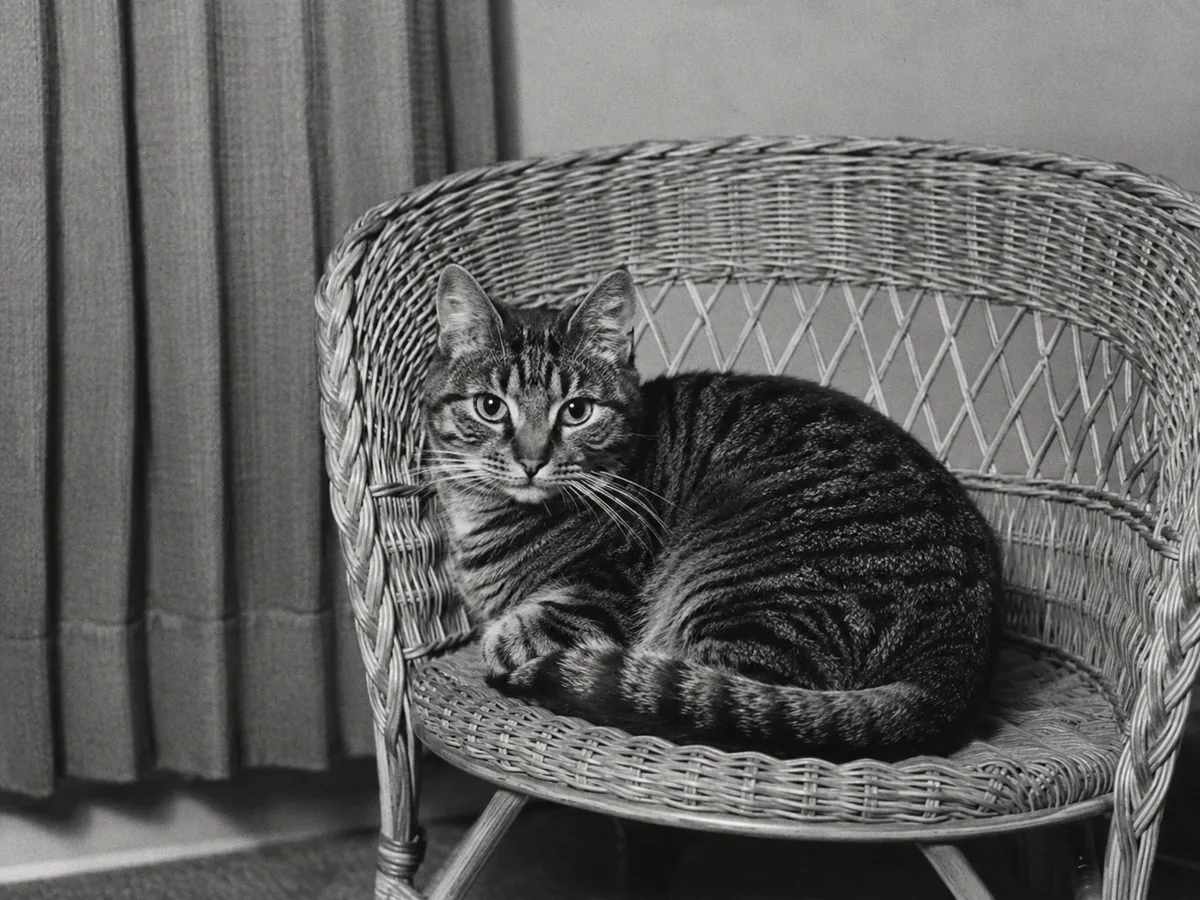
The restored monochrome cat portrait with scratches reduced and tonal detail recovered.
BeforeAfter
Drag to compare the source and result
02Monochrome keepsake

Clean the print, keep the decade.

A black-and-white portrait benefits from repaired scratches and clearer midtones, not artificial color or glossy digital skin.

Look closely

  • Wicker and tabby markings become easier to read without harsh sharpening.
  • The monochrome palette and soft vintage grain remain intact.

Synthetic demo for visual guidance. Results vary with the source photo.
A useful tool, with honest edges

Restoration can recover a photograph, not invent a missing history.

The tool can reduce common damage and improve readability. It cannot know the exact detail hidden by a deep tear, heavy blur, or missing part of the print.

Turn the finished photo into art

Works well for

  • Faded color, light scratches, dust, and moderate softness
  • Scans where the pet's eyes, ears, and major markings remain visible
  • Old prints photographed flat in even light

Keep in mind

  • Severely missing facial areas may be reconstructed rather than historically recovered.
  • Keep the original scan as your archival copy; treat the result as an edited derivative.

Before you edit

Small answers that prevent big surprises.

01

Does restoration colorize black-and-white photos?

The current pass focuses on damage, fading, and clarity. It does not promise historically accurate colorization.

02

Can it repair a torn face?

It may reconstruct a small damaged area, but details hidden by a large tear cannot be verified against the original moment.

03

Should I scan or photograph the print?

A flat, high-resolution scan is best. If you photograph it, avoid glare, perspective tilt, and shadows across the print.