How to Choose a Pet Portrait Style That Fits Your Pet
Compare watercolor, royal, oil painting, cartoon, and minimalist pet portraits by personality, coat, source photo, room, and gifting mood.
 AI Paint My Pet Team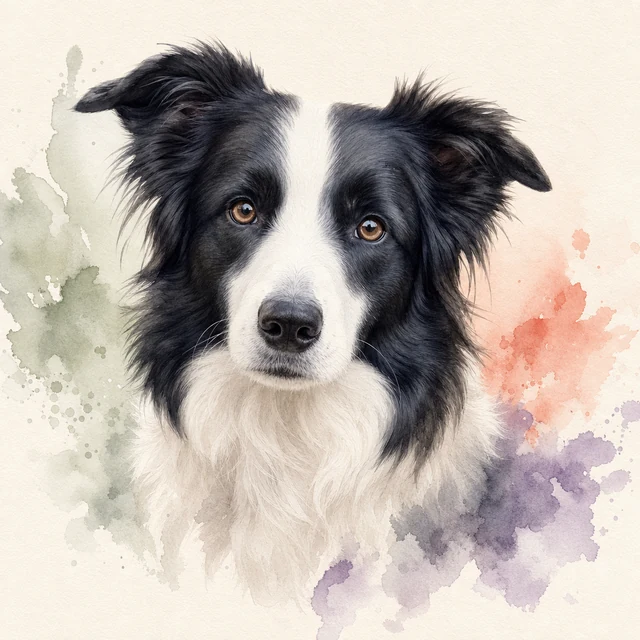
The best pet portrait style is not simply the most dramatic one. It is the style that supports the details you love most: a soft expression, a proud posture, unusual eyes, a graphic coat pattern, or a wonderfully chaotic personality.
AI Paint My Pet currently offers five art directions—Watercolor, Royal, Oil Painting, Cartoon, and Minimalist. This guide helps you choose between them without asking you to understand prompts or model settings.
The quick style finder
| If you want… | Start with… | Why | |---|---|---| | A light, tender, airy portrait | Watercolor | Soft edges and layered washes keep the mood gentle | | A theatrical gift with presence | Royal | Formal costume, deep color, and dramatic light create ceremony | | A timeless, detailed wall portrait | Oil Painting | Modeled light and rich texture suit expressive faces and coats | | A bright, playful character piece | Cartoon | Clear shapes and warm color emphasize energy and expression | | Calm modern art for a quiet room | Minimalist | Restrained backgrounds keep the silhouette and markings central |
Still torn? Choose the style that matches your pet’s everyday presence, not the version of them you think a portrait is supposed to show.
Watercolor: soft, expressive, and light
Watercolor uses gentle edges, translucent-looking color, and areas of open paper. It works especially well when the pet has:
- a warm or curious expression;
- soft, feathered, or fluffy fur;
- clear eyes and a relaxed front-facing pose;
- a home with pale wood, linen, plants, or light walls.
Watercolor can also be a thoughtful choice for a quiet keepsake because it feels tender without requiring symbolic effects. It is less suited to a very dark, underexposed photo where the face has already lost its contours; the open style cannot recover details the source image does not show.
Photo tip: use even daylight and make sure the eyes and nose remain crisp. Watercolor can soften edges, so the source face should begin sharp.
Royal: formal, theatrical, and gift-ready
Royal portraits pair the pet’s head and identity with a formal costume, deep background, and ceremonial composition. Choose Royal when:
- your pet naturally sits or stares with confidence;
- you want a humorous but polished gift;
- upright ears, a strong face shape, or a dramatic gaze are defining traits;
- the display space already uses dark wood, saturated color, or eclectic decor.
The costume is part of the art direction, but the pet should remain the joke’s dignified center. Avoid source photos with cropped ears or a face turned too far sideways; formal symmetry works best when the silhouette is readable.
Photo tip: use a centered or slight three-quarter view. Keep the neck and top of the chest visible so the composition has room to transition into costume.
Oil Painting: rich, timeless, and detail-led
Oil Painting uses deeper shadows, modeled light, and visible painterly texture. It is a strong match for:
- long-haired dogs and cats;
- dark coats with visible highlights;
- calm, soulful, or dignified expressions;
- a portrait intended to feel traditional rather than trendy.
This direction can bring beautiful depth to black, chocolate, gray, and richly patterned coats—but only when the source photo shows that depth. A black silhouette remains a black silhouette, no matter how classical the finish.
Photo tip: soft light from one side gives the muzzle, cheeks, and fur enough structure for an oil-style portrait.
Cartoon: bright, friendly, and full of energy
Cartoon simplifies shapes and uses clearer blocks of color. It suits:
- playful dogs, curious cats, and highly animated expressions;
- strong, simple markings that read at a glance;
- profile pictures, casual gifts, and colorful rooms;
- owners who prefer cheerful graphic art to formal portraiture.
Our Cartoon direction is a general art treatment; it is not intended to imitate a protected film studio, franchise, living artist, or famous character style.
Photo tip: choose an expressive but sharp image. A slight head tilt, open mouth, or alert ears can become part of the character, while motion blur cannot.
Minimalist: quiet, graphic, and modern
Minimalist portraits reduce background noise and let silhouette, eye color, and coat pattern do the work. It is especially effective for:
- tabbies, tuxedo cats, border collies, dalmatians, and other graphic markings;
- clean side profiles or composed front-facing poses;
- modern rooms where a busy background would compete with the space;
- a calm tribute that avoids extra costume or symbolism.
Minimalist does not mean featureless. The best results preserve the exact breaks in a blaze, mask, stripe pattern, or ear shape while giving them more visual space.
Photo tip: use a photo with clean edges around the ears and face. Background clutter is acceptable, but objects should not cross the silhouette.
Choose by the feature you care about most
Eyes
If eye color and expression are the priority, start with Minimalist, Watercolor, or Oil Painting. Use a source photo with catchlights and no flash reflection.
Coat texture
Oil Painting emphasizes depth in long or dark coats. Watercolor gives soft coats an airy feel. Minimalist is excellent when the important feature is a graphic pattern rather than individual strands.
Ears and silhouette
Minimalist and Cartoon make distinctive upright ears, folded ears, long spaniel ears, and elegant profiles immediately readable. Royal also benefits from a strong centered silhouette.
Personality
- Gentle and observant: Watercolor
- Composed and imperious: Royal
- Soulful and timeless: Oil Painting
- Playful and extroverted: Cartoon
- Quiet and self-possessed: Minimalist
These are starting points, not rules. A serious greyhound can be wonderful in Cartoon; a chaotic orange cat can become an unforgettable Royal portrait.
Choose by where the portrait will live
For a light bedroom, nursery, or reading corner, Watercolor and Minimalist are easy to place. Oil Painting and Royal carry more visual weight in a hallway, office, or living room. Cartoon works well in bright, informal spaces and as a digital avatar or shareable image.
The current product delivers a digital result. Do not choose a style based on a canvas size, frame, or shipping promise that is not yet part of the service. First choose the image you love; you can decide how to display the downloaded artwork afterward.
Dog and cat starting points
Dogs often differ dramatically in silhouette and coat. Browse the Dog Portraits collection for black coats, white coats, long hair, upright ears, and streamlined breeds.
Cats often depend on eye color, face geometry, whisker line, and exact pattern breaks. Browse the Cat Portraits collection for tabbies, calicos, black cats, Sphynx cats, and long-haired examples.
Use one photo to test two directions
When two styles both feel right, keep the source photo fixed and change only the style. That makes the comparison honest: you are judging the art direction rather than a different expression, crop, or lighting setup.
Each generation returns one image. Free includes one creation per account each UTC day; additional or Ultra generations use the current account and credit rules shown in the product. AI results vary, so a second generation can also explore a new interpretation within the same direction.
Frequently asked questions
Is one style more accurate than the others?
No style guarantees a perfect match. A sharp, well-lit source photo has more influence on likeness than choosing the most realistic-looking style. Oil Painting may show more modeled detail, while Minimalist can make markings easier to read.
Which style is best for a memorial portrait?
Watercolor, Oil Painting, and Minimalist can all feel calm and respectful. Choose by the pet’s personality and the details you want to remember. The current site does not yet offer a separate memorial workflow with names, dates, or symbolic effects.
Can I change styles after uploading?
Yes. After the photo is ready, choose a style to generate. You can keep the same photo and explore another style as a separate generation.
Do I need a different photo for Royal portraits?
Not necessarily. A centered or slight three-quarter photo with the full head, ears, and some neck visible gives the formal composition more room to work.
What if I still cannot decide?
Begin with Watercolor for a light emotional result, or Minimalist for the clearest focus on face and markings. You can then compare a more dramatic direction with the same photo.
Ready to see the difference? Upload one photo and choose your first style.